
Are Demodex Mites the Cause of All Disease?

Summary
The information presented here is a result of a study that has lasted for over 5 years. It has involved continually researching facts about Demodex Mites, while at the same time testing approximately 150 prescription and over the counter treatments externally and internally in the human body. This included testing treatments that have never been tested before specifically to kill Demodex Mites like Chrysanthemum Tea which contains Pyrethrum. Pyrethrum is the organic version of Permethrin which is the #1 prescription medication used to kill Demodex externally on humans and to kill mites in nature. Treatments were also tested that have never been tested together like Sage which contains thujone shown to reduce Alzheimer’s and Chrysanthemums which contain Pyrethrum.
This information is a new discovery that is not available from any other source. It begins with the fact that all medications contain some type of insecticide that is harmful to Demodex Mites. The study also found that no prescription or non-prescription medication that contains an insecticide is capable of completely killing Demodex Mites inside the human body. The reason is that no insecticide is strong enough to kill them externally because they are covered with Sebum oil which dilutes that insecticide. They do not consume enough insecticide internally to kill them because they can likely detect it in this oil before they consume enough to kill them. (How Insects Taste Their Food – thoughtco.com)
Once these facts are revealed that allows an understanding of the questions ask in the examples below which cannot presently be answered by anyone in the world.
(1) For example the fact that one group of doctors found that women with breast cancer have more Demodex Mites than women without breast cancer. That another group of doctors found that when Chrysanthemums are consumed internally by women with breast cancer it reduces the cancer. That the second group of doctors do not really have a good explanation why Chrysanthemums reduce breast cancer. Yet the answer is obvious when you realize Chrysanthemums contain Pyrethrum which is the organic version of Permethrin the #1 prescription medication to kill Demodex Mites externally on humans.
(2) For example during the Covid outbreak some doctors were prescribing Ivermectin for Covid because they believe it may reduce Covid symptoms. Other doctors believe it is ridiculous to prescribe an insecticide used to kill parasites in animals for the Covid virus without any clear reason why it works. Doctors on either side of this controversy both failed to recognize that Ivermectin is the primary internal prescription for Human Demodicosis which is any problem caused by the parasitic mite Demodex.
Should we assume that if someone took Ivermectin for Covid that this medication which is also specifically prescribed for Demodex Mites would have no noticeable effect of Demodex? Ivermectin like all other insecticides has lost strength over time and so you can get some reduction of Demodex Mites which can reduce the symptoms of Covid in some people. But since it does not kill them completely you also get strong reactions when they die and stronger reactions from the ones it does not kill. Reactions were widely reported.
(3) For example (Ragweed Pollen Allergy – aafa.org) “In the late summer and early fall, almost 50 million people in the U.S. have symptoms from an allergy to ragweed pollen.1 The symptoms can be mild, moderate, or severe for people with seasonal allergies. This allergy can also cause asthma symptoms for people with allergic asthma, which can be life-threatening. “Wikipedia Ragweed pollen is notorious for causing allergic reactions in humans, specifically allergic rhinitis. Up to half of all cases of pollen-related allergic rhinitis in North America are caused by ragweed’s.[8] )
What no one in the world presently recognizes is that Ragweed is in the plant species of the aster family (Asteraceae) which is same family as Chrysanthemums and that Ragweed contains Pyrethrum. Ragweed is covering millions of people with pollen that contains one of the strongest organic insecticides known to kill mites and it is in every breath they take. Most or all people have Demodex Mites. No one has considered that it might be Demodex Mites reacting to this strong insecticide that causes allergies?
The Disease page discusses how Demodex Mites create boils that cause disease that just happens to be mistaken for cancer but is not diagnosed as cancer.
The Treatment page explains which treatments are most effective at reducing the activity of Demodex Mites with the least reactions which may reduce the symptoms of any disease. It also explains why supplements and Pharmaceuticals containing insecticides/poisons will not kill them completely inside humans.
The Forum page explains that Tylenol like all Pharmaceuticals contains petroleum which is harmful to Demodex Mites but will not kill them completely. The ones that remain alive are very likely to dig their way into places they would not normally go and this could easily be the cause of all Chronic disease.
I expect it will be difficult for anyone in the world to read the information on this site and deny the possibility that Demodex Mites could be the root cause of most or all disease.
Taking 3 Lifesavers per day 4 or more hours apart may reduce the symptoms of any disease. See Treatment page for Details.
The Demodex Insecticide Hypothesis
Most or all medications that are effective against any disease in humans, medications that reduce pain in humans, substances that humans become addicted to, and substances that humans are allergic to, contain at least one specific substance (Insecticides/Poison, Acid/Sulfur, Hydrocarbons/Petroleum Based Pharmaceuticals, chloride/chlorine/Salt, Physical Obstructions (Zinc, Calcium, Dimethicone, PEG 3350, etc.) that is obviously harmful to Demodex Mites. The only exception are the new medications that cause the immune system to ignore the activity of Demodex Mites without reducing the population as long as you continue to take them.
The information below gives many examples that support the Demodex Insecticide Hypothesis which indicates a possible link between Demodex Mites and all human disease. Once this possible link is established that allows the questions that are highlighted in Red to be asked that cannot presently be answered by medical science.
Are Demodex Mites the cause of:
(1) “Associations between Demodex species infestation and various types of cancer” states “Results showed that the rate of Demodex species infestation was higher in patients with breast cancer. Thus, cancer – and particularly breast cancer – is a risk factor for Demodex species”.
(2) The next article “Reversal of multidrug resistance in human breast cancer cells by Curcuma wenyujin and Chrysanthemum indicum” states “Chrysanthemum was also found to reverse multidrug resistance in human breast cancer cells”.
(3) This article from Pubmed “Anticancer drug discovery from Iranian Chrysanthemum cultivars through system pharmacology exploration and experimental validation” states “The gene ontology analysis revealed the therapeutic effects of Chrysanthemum’s active compounds on breast cancer by regulating the biological processes of their protein targets.”
(4) This article from “Wikipedia Pyrethrum” states “Pyrethrum is also the name of a natural insecticide made from the dried flower heads of Chrysanthemum cinerariifolium and Chrysanthemum coccineum. The insecticidal compounds present in these species are pyrethrins …… Pyrethrum has been used for centuries as an insecticide,[1] and as a lice remedy in the Middle East (Persian powder, also known as “Persian pellitory”). It was sold worldwide under the brand Zacherlin by Austrian industrialist J. Zacherl.[2] It is one of the most commonly used non-synthetic insecticides allowed in certified organic agriculture.[3]
(5) This article from “Web MD Pyrethrum – Uses, Side Effects, and More” states “People apply pyrethrum directly to the skin as an insecticide, particularly for head lice, crab lice and their nits, and mites (scabies).”
(A) The First article states that women with Breast Cancer have more Demodex Mites.
(B) The Second and Third articles state Chrysanthemums have been shown to reduce breast cancer.
(C) The Fourth and Fifth articles state Pyrethrum in Chrysanthemums has been used for centuries as an insecticide and has been commonly used to kill lice and mites on humans.
Question (1) Breast Cancer – Has anyone considered the possibility that since Chrysanthemums contain the insecticide Pyrethrum that kills mites, and that women with breast cancer have more Demodex Mites, that it might be possible that the reason Chrysanthemums reduce breast cancer is that it kills Demodex Mites and that they are the cause of breast cancer?
If I plug each of the supplements below into the following questions I find these supplements and many others have two things in common:
(1) They all are insecticides (2) They all have been shown to reduce Cancer
Note: In some cases the fact that the supplement is an insecticide and reduces cancer may be listed under the name of the primary active ingredient more commonly than the supplement name.
Is Turmeric an insecticide? Is Curcumin an insecticide? Does Turmeric reduce Cancer? Does Curcumin reduce Cancer?
Vitamin D3 (Cholecalciferol) (1) Cholecalciferol – A Different Rodenticide Toxicity (2) Supplements in the Fight Against Cancer
Borax (Boron) (1) How to Kill Bugs With Borax (2) 5 WAYS BORON BATTLES CANCER CELLS
Castor Oil (Traces of Ricin) (1) Ricin Toxin from Castor Bean Plant, Ricinus communis (2) Potential therapeutic applications of plant toxin-ricin in cancer:
Chrysanthemum Tea (Pyrethrum) (1) Pyrethrum natural insecticide (2) Anticancer drug discovery from Iranian Chrysanthemum
Sulfur (1) R.E.D. FACTS Sulfur Pesticide Reregistration (2) Chapter Seven – Anticancer Mechanism of Sulfur-Containing Compounds
Sage (Officinalis)(Thujone) (1) Effect of essential oils on the survival rate of Demodex spp. (2) Salvia Officinalis and Alzheimer’s Disease
Neem (Azadirachtin) (1) Azadirachtin-Based Insecticide (2) A review of the anticancer activity of Azadirachta indica (Neem) in oral cancer
Turmeric (Curcumin) (1) The impact of curcumin … and management of insect pests (2) Can Turmeric Fight Cancer?
Odorless Garlic Extract 100:1 (alliin) (1) Can you use garlic as a pesticide? (2) Does Garlic Reduce Your Risk of Cancer?
Citric Acid (1) Citric Acid Pesticide Reregistration (2) Citric Acid Inhibits Fermentation
Diatomaceous Earth (1) What Is Diatomaceous Earth and How Does It Kill Bugs? (2) Anticancer Compounds Derived from Marine Diatoms
Witch Hazel (tannins) (1) Tannins in plant-herbivore interactions (2) 12 Health Benefits of Witch Hazel
Zinc (1) Insecticidal Effect of Zinc Oxide Nanoparticles against Spodoptera frugiperda
Many of the most commonly known prescriptions and supplements are also known to be some of the strongest most commonly used insecticide/poisons throughout history and still are.
“Cholecalciferol – A Different Rodenticide Toxicity”
“CAUTION – This is one of the most dangerous mouse and rat poisons on the market. Cholecalciferol, or activated vitamin D3, causes a life-threateningly high calcium and phosphorus level in the body, resulting in severe, acute kidney failure, cardiovascular abnormalities, and tissue mineralization. This can progress to life-threatening disease. Even though this is a vitamin, it is toxic to dogs, cats, and children as well as rodents. Human vitamin D3 supplements taken at high enough doses are also toxic via this same mechanism.”
Supplements in the Fight Against Cancer
Vitamin D is one of the most studied supplements for cancer prevention and treatment right now.
What’s the Deal with Vitamin D?
“Studies suggest vitamin D also may help protect us from infections (including COVID) and major diseases like cancer, cardiovascular and respiratory diseases, diabetes, and dementia. Because it’s often on the news and is available on store shelves, vitamin D seems like an easy way to bolster your health. But is it?
Vitamins D3 v. D2
Two forms of vitamin D are available in supplements: vitamin D3 and vitamin D2. Both can help correct vitamin D deficiency, but most doctors recommend D3 because it is slightly more active and therefore slightly more effective.”
Pyrethrins vs Pyrethroids, Vol. 6, No. 29
“Summary: Pyrethrum and pyrethrins are pretty much the same thing. Pyrethrum refers to the crop, the dried flowers, or the product extracted from the flowers. Pyrethrins are the actual active ingredients in pyrethrum. Pyrethroids are synthetic insecticides that were created by copying and modifying the molecular structure of natural pyrethrins and permethrin is just one example of a pyrethroid insecticide. Pyrethroids are much more effective than pyrethrins because they are more toxic to insect pests and provide longer residual control, but only non-synergized natural pyrethrins are suitable for organic vegetable production.”
This article did not explicitly mention that Pyrethroids also contain Petroleum like most Pharmaceuticals which can be much more dangerous. That is one of the main reasons they say Pyrethroids are “more toxic”. Even if the Petroleum is listed in the inactive ingredients it is still very harmful to insects.
In the first article under (1) Breast Cancer above one set of doctors concludes that Breast Cancer causes women to have more Demodex mites. There was no consideration of the possibility that more Demodex mites may be causing more Breast Cancer.
In the third article doctors conclude that Pyrethrum is effective because “the therapeutic effects of Chrysanthemum’s active compounds on breast cancer by regulating the biological processes of their protein targets.” Although 5% Permethrin is the #1 prescription medication to treat Demodex mites externally there is no mention of the possibility that Pyrethrum is reducing breast cancer because it is harming Demodex mites internally.
This is not surprising considering what I was told by a professor of Dermatology with a Dermatology intern I visited together which I had specifically requested. They said “Demodex mites are a natural part of humans flora and fauna, they only eat sebum oil and dead skin, and they are only harmful in people with an immune disorder.” This was after I had just shown them the prescription I had been given for my Rosacea which contains the insecticide Ivermectin specifically to kill Demodex mites on my face.
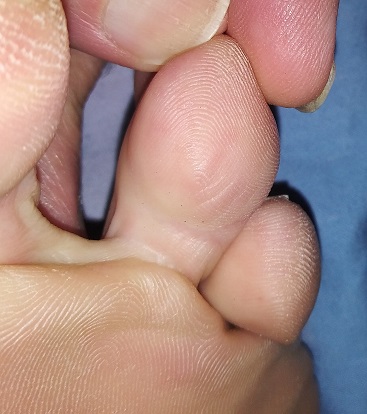
They were the last 2 of 7 medical professionals I visited. I was also told by the Professor that my infected toe, a pressure sore on my back I had for over 2 years, my Rosacea, and various other sores were all different problems and they were going to treat them separately. What I was told by the professor of Dermatology seems to agree with the present belief within all of medical science based on my research.
I had been treating Demodex mites for about 1 year externally all over my body testing over 100 prescription and non-prescription medications with some success before I visited the last two Dermatologist. Based on my experience and research I did not agree with the professors’ conclusions or the general consensus of medical science. I decided I would have to treat them internally to resolve the remaining symptoms because about 95% of Demodex Mites are below the surface most of the time.
The first two internal treatments I tested separately and together were Chrysanthemum Tea (Pyrethrum) and Sage (Thujone). When I took strong doses of these two together I had a reaction similar to the reaction I had several months later when I tested Ivermectin internally. I broke out with boils and rashes all over my body and they effected every symptom I had shown the professor at the same time AND every symptom of my Psoriatic Arthritis. No one has to take my word for this these two supplements are always available online and anyone can test them BUT I WOULD HIGHLY RECOMMEND THAT NO ONE TRY THIS.
It would be about 1 year after I started taking internal treatments before I realize that Demodex mites probably have the ability to detect insecticides in their food supply and stop eating until they pass through the body. (How Insects Taste Their Food – thoughtco.com) When Demodex is exposed to strong insecticides they realize they are there. They may harm Demodex to some degree but without being strong enough to kill them finally. All you get is more and more reactions of digging and scratching inside the body by Demodex. This causes the body to react violently perceived parasitic invasion. But these reactions all over the body were symmetrical in location on both sides of the body in location by not in magnitude.
I discovered many things about Demodex mites when I first used Chrysanthemums and Sage together that I will discuss in more detail below. I do not see most of the information I present on this site available from any other source I have found in the 5 years of my testing and research. I did not find any information that anyone has done any of the following things I discuss here:
(1) Specifically test most prescription medications and supplements externally AND internally for their ability to kill Demodex Mites.
(2) Test two or more of these supplements TOGETHER.
Note: I found Chrysanthemums and Sage together to be much stronger than either one separately.
(3) Unlike Ivermectin I tested these supplements containing strong insecticides continuously in periods ranging from 1 hour to 1 day, together at the exact same time or separately at alternating times during the same day.
Ivermectin which according the Nurse Practitioner I visited is the recommended internal treatment for Demodex mites and generally given in two single doses 2 weeks apart. But Ivermectin has become more and more resistant to insecticides over time. This happens with all insects as they mutate. I many cases now it can require many doses for longer periods and now Demodex is gaining the power to cause violent reactions and possibility ever death.
Can any strong insecticide or any amount kill Demodex Mites inside the body? What about something as strong as Chemo? How does it affect Demodex Mites? I see some very strong ingredients in Chemo including insecticides. Evaluation of carbamate insecticides as chemotherapeutic agents for cancer.
Some insecticides like Permethrin a neurotoxin function by killing on contact externally and some like Boron may kill by being consumed. It is difficult to apply a high concentration of insecticide to them externally because they are covered with oil that dilutes the insecticide and they have likely developed strong mutation resistance also. It might not matter how strong it is in their food supply internally because as I mentioned they may be able to detect it and not eat enough to harm them.
Can Demodex Mites simply not consume Chemo? Like the old saying you can lead a mite to poison but you can’t make them drink it. I will explain on the treatment page why I believe I have found some things together they do not seem to be able to avoid. I have also found external treatments much stronger than any prescription medication I used.
By harming Demodex internally and externally with tolerable reactions I have almost completely eliminated ALL the symptoms of my Psoriatic Arthritis. If the wrong substances are used the wrong way they may have to ability to cause cancer or make it worse instead of reducing it. Some of them I have tested have the ability to cause a reduced or increased and irregular heart beat that could cause death.
Question (2) Most or All Forms of Cancer – If all of these supplements contain a known insecticide/poison substance that will kill insects then is it possible the reason these insecticides reduce cancer is that they are killing an insect and that insect is causing cancer?
Demodex Mites as a Cause of Human Disease Dirk M. Elston, MD
Associations between Demodex species infestation and various types of cancer
Demodex folliculorum: A parasite infection mimicking skin cancer
“Demodex folliculorum is a parasite which lives on human skin around the hair follicles. We have found that it can cause lesions which can be mistaken for skin cancer. It has also been linked to rosacea, perioral dermatitis, blepharitis and pityriasis folliculorum which may be due to the bacterium Bacillus oleronius found in the mites. 1 , 2 Recently, four of our patients had suspected basal cell carcinomas surgically excised, which were found histologically to be infected with the mite, with no underlying of skin cancer.”
During the Covid outbreak some doctors were prescribing Ivermectin for Covid because they believe it may reduce Covid symptoms. Other medical professionals believe it is ridiculous to prescribe an insecticide that is also used to kill parasites in animals for the Covid virus without any clear reason why it works. This disagreement became so strong that certain major stores would not fill Ivermectin prescriptions issued by doctors.
During the time of the Covid outbreak I was I the middle of this study and that’s when I tried Ivermectin. One of the nurse practitioners mentioned that the medical book listed Ivermectin as the medication to treat Demodex Mites internally in humans.
Ivermectin is the primary internal medication for Human Demodicosis which is any problem caused by the parasitic mite Demodex. “Human demodicosis is caused by the clinical manifestation of otherwise asymptomatic infestation of humans by two species of Demodex mite, i.e., D. folliculorum and D. brevis.”
I tried it at the standard dose a few times and even at an increased dosage (The approved dose of ivermectin alone not useful in treating COVID-19 ) and each time it caused boils and rashes all over my body but especially under my arms, around where the collar where the neck meets the chest, and behind the knees. Has anyone considered what effect Covid and Ivermectin may have on Demodex Mites and the bacteria Bacillus oleronius inside Demodex?
Should we assume that if someone took Ivermectin for Covid that this medication which is also specifically prescribed for Demodex Mites would have no noticeable effect of Demodex? I also understand many people were calling hospital about how to treat the reactions Ivermectin was causing.
My reactions were not for an unknown cause. Unlike taking Ivermectin when I took Pyrethrum and Sage it was not a single dose and then wait two weeks or even one. I was treating them many times per day around the clock only limited by the reactions that occurred and possible dangers.
These boils were not at random locations but were symmetrical in location although not equal in magnitude. They are in the deepest creases between the legs at the lowest points they can find but around the high points on flat areas like the back where there is no place to hide, and around where skin rubs together and any restricted areas like the waist band similar to bird mites I had when I was younger.
It was my conclusion that Ivermectin like all insecticide’s loose strength over time due to mutation and the reactions are due to feeding Demodex Mites a very strong poison that harms them but does not kill them and so they react violently. I will discuss this more on the Demodex Disease page.
There is another possible connection that may point back to Demodex mites in the case of Zinc lozenges reducing cold symptoms. Externally Zinc is one of the most commonly used treatments for itching. But how could there be any link between reducing itching and reducing the cold virus? There could be if zinc harms Demodex Mites and Demodex are causing the symptoms of both.
One necessary part to understanding any possible connection between itching and colds is that one doctor has found Demodex Mites living inside the mouth. (Demodex infestation of oral mucosal sebaceous glands) From there it is a pretty short distance to the throat where Zinc must be applied in a slow dissolving manner because it is not as effective if chewed up.
Zinc has molecular characteristics that cause it to stick to things similar Calcium and Magnesium and if they stick to the outside of Demodex it may interfere with their movement both on the skin and in the mouth and throat. Some studies show Zinc may reduce the symptoms of Covid also although some studies disagree. It may be hard to get good consistent results in a test when you don’t know what you’re testing against.
I found Zinc even calamine lotion when applied repeatedly to be very reactive both externally and internally especially when I was also using other treatments internally. If you search Zinc and parasites you will find many listings that indicate Zinc especially in certain forms like Nanoparticles and combined with other substances like Zinc salts is very effective at killing insects.
The first article explains how Zinc harms insects, and the second article states Zinc reduces the symptoms of Cancer, the third article explains how their test shows how Zinc reduces Covid symptoms but they cannot explain how it works.
Zinc treatment of outpatient COVID‐19: A retrospective review of 28 consecutive patients
The mechanisms by which zinc may help COVID‐19 patients are unknown, but include direct inhibition of viral replication, improvement of mucociliar clearance of SARS‐Cov‐2, reduction of secondary bacterial infection, improvement of lung and kidney tissue healing after ischemia, modulation of T and B lymphocytes, and restoration of interferon‐alpha production. 8 , 9 Zinc supplementation reduces the incidence of pneumonia, 10 and improves outcomes in diarrhea. 11 In addition, mild zinc deficiency is often present in those groups at highest risk from COVID‐19; namely, the elderly, diabetic, obese, and hypertensive. 8
Question (3) Covid and All Viruses – Is it possible that the Covid virus is harming the Bacillus Oleronius bacteria inside Demodex mites or harming Demodex by some other means causing a dramatic increase in Demodex activity and the bodies perception of that activity as an invasion causes the body to react dramatically which are Covid symptoms and not the effect of the virus on the body itself?
I searched “biggest cause of allergy symptoms” and the first Heading that comes up is “Common Allergy Triggers – WebMD” and when selected links to an article “Know Your Allergy Triggers”.
The first cause listed is: 1. Pollen – In the spring and summer, the air is filled with pollen from fresh, growing things like grass, trees, and weeds. In some people, ragweed in the fall may trigger allergies. I had noticed in my searches the Ragweed and Chrysanthemums are related and so I searched “ are chrysanthemums and ragweed related”. I found an article by the The Asthma & Allergy Center BEWARE OF RAGWEED “RELATIVES” .
This article states “Other foods known to cause mouth or throat swelling in people who are allergic to ragweed include melon, zucchini, cucumber, and sunflower seeds. And because daisies, dahlias and chrysanthemums are related to ragweed, you might want to avoid bringing these flowers into the house.” A caution against the relatives’ chrysanthemums and ragweed but apparently no one knows why.
I knew Chrysanthemums contain Pyrethrum so in searching “plants that contain Pyrethrum” I found the link “pyrethrum plant” by Britannica. Britannica explains “pyrethrum, any of certain plant species of the aster family (Asteraceae) whose aromatic flower heads, when powdered, constitute the active ingredient in the insecticide called pyrethrin.
The plants were formerly considered a separate genus, Pyrethrum, and the taxonomy remains contentious between the genera Tanacetum and Chrysanthemum. … The ragweeds (Ambrosia), dandelions (Taraxacum), and thistles (Carduus, Cirsium, and Onopordum) are the most troublesome weeds in Asteraceae. Ambrosia artemisiifolia (common ragweed) and Ambrosia trifida (giant ragweed) are two of the most significant plant species causing the allergic reaction known as hay fever.”
Anyone that is exposed to Ragweed pollen is covered externally in Pyrethrum and its in every breath they take. (Ragweed Pollen Allergy – aafa.org) “In the late summer and early fall, almost 50 million people in the U.S. have symptoms from an allergy to ragweed pollen.1 The symptoms can be mild, moderate, or severe for people with seasonal allergies.
This allergy can also cause asthma symptoms for people with allergic asthma, which can be life-threatening. “Wikipedia Ragweed pollen is notorious for causing allergic reactions in humans, specifically allergic rhinitis. Up to half of all cases of pollen-related allergic rhinitis in North America are caused by ragweeds.[8] )
Its interesting that florist and many others have allergies to Chrysanthemums as explained in “Allergic to Chrysanthemums for Humans” alvarflorist.com
Question (4) Allergies – Since Ragweed is covering millions of people with pollen that contains one of the strongest organic insecticides known to kill mites, and most people probably have Demodex Mites, has anyone considered that it might be the Demodex Mites reacting to this strong insecticide that causes allergies?
Caffine
Your Morning Cup Of Coffee Is Also Your Morning Cup Of Pesticide – “Caffeine is a potent pesticide. Although there are insects who have adapted to caffeine, most lie down and die when they get a dose of it.” Do humans crave Caffeine which is a very strong insecticide?
Caffeine is not only found in coffee beans from the plant Coffee Arabica but also in the tea plant Camellia Sinensis. Why do we find the same molecule in two different plants? The answer is known as convergent evolution of identical metabolites. This may make more sense when considering the intended function of caffeine as a plant defense mechanism.
Plants and insects have evolved together through evolution and have had a constant arms race. Insects want to feed off plants, and the plants want to avoid being eaten. This has naturally caused the plants to create chemical defenses by evolving the ability to produce metabolites that are toxic or undesirable for the insects.
Caffeine is an example of this defense strategy and has evolved as a metabolite that is toxic and undesirable to insects, thus acting as the plant’s own insecticide. Since caffeine is an effective insecticide, it might not be surprising that two different plants adapted the same metabolite to protect themselves.
Another example of a plant defense metabolite that is commonly found in our society is nicotine. Nicotine, like caffeine, is considered a stimulant drug and is present in tobacco products such as cigarettes and chew tobacco.
Nicotine has evolved as a toxic defense metabolite in the tobacco plants Nicotiana rustica and Nicotiana tabacum to protect them against insects. Although we are not as negatively affected by the doses that insects are exposed to due to our larger size as a species, in sufficiently large doses, we also experience the toxic effects of this defensive compound.
“Some studies have shown that drinking two cups of coffee a day may lower the risk for several cancer types, including breast cancer,” Dr. Perre says. “There are probably a number of factors that may contribute to the reduced risk.” Indeed, new research indicates that coffee may contribute to a lower risk for developing several other cancers, according to the American Institute for Cancer Research, including: Prostate cancer Liver cancer Head and neck cancer Endometrial cancer.
In a 2021 article, researchers in Europe pointed to “the presence of polyphenolic antioxidants and anti-inflammatory agents, including caffeine, cafestol, kahweol and chlorogenic acids” as contributing to lower risk for developing certain cancers. However, the article also points to “important uncertainties” in many coffee and cancer studies caused by participants’ self-reporting errors regarding coffee intake and other lifestyle habits and socio-economic issues.
Have you noticed new shampoos containing Caffine? Are there insects on our heads?
Nicotine
It functions as an antiherbivore toxin; consequently, nicotine was widely used as an insecticide in the past,[17][18] and neonicotinoids (structurally similar to nicotine), such as imidacloprid, are some of the most effective and widely used insecticides.
Tobacco plants may contain cure for cancer, a new twist in protein–lipid interactions
Scientists at La Trobe University published a study this week about a protein found in the flowers of ornamental tobacco plant that targets human cancer cells and destroys them. This raises the prospect of the deepest kind of irony: tobacco grown to produce drugs used to treat cancers caused by tobacco.
Mark Hulett, Marc Kvansakul and others from the Biochemistry Department used a range of techniques to examine the structure and function of a protein called NaD1. This protein is a type of defensin, a molecule that protects the plant from fungal infections. Why it also works on mammalian cancer cells is unknown, but is probably related to similarities of their cell membranes, where the action in this story takes place.
Alcohol
Why do flammable liquids like alcohol and gasoline kill insects so quickly?
“Flammable liquids like alcohol and gasoline can kill insects quickly due to several factors:
- Solvent Properties: Both alcohol and gasoline act as solvents. When sprayed on insects, these liquids can dissolve the waxy protective layer on their exoskeletons, leading to dehydration. Insects rely on this outer layer to retain moisture, and without it, they can quickly lose water and die.
- Toxicity: Many flammable liquids are toxic to insects. Alcohol, for example, can disrupt cellular processes and damage their nervous systems. Gasoline contains various hydrocarbons that can be harmful when absorbed through the insect’s exoskeleton.
- Rapid Absorption: The small size of insects allows these liquids to be absorbed quickly. Once absorbed, the toxic components can interfere with vital physiological processes, leading to rapid incapacitation or death.
- Asphyxiation: Some flammable liquids can displace oxygen or interfere with respiration in insects. When sprayed, the vapors can suffocate insects by filling their respiratory systems with a substance that prevents oxygen exchange.
Alcohol is one of the most addictive drugs which also can kill insects. Hydrocarbons methane, benzene, and many others are found in some drugs and are very harmful to insects in general for the same reason.”
Sugar
Can Bugs Get Diabetes? – Insects Have Insulin: One thing that has led entomologists to look into the insect diet/diabetes connection is the presence of insulin. Insulin is one of two hormones produced by the pancreas to control blood sugar in humans. Insects such as ants and fruit flies do produce an insulin-like substance. This has prompted some to suggest there are insects that could potentially have type 1 diabetes.
Many insects like sugar but too much may harm them. If they consume a somewhat high amount of sugar they may flourish in number and become more active. The brain may perceive it as a parasitic invasion and react in a way harmful to the body. If sugar gradually increases they may become very agitated as they reach a level that is very high before they die.
In the case of Demodex they may not be able to consume enough sugar to kill them so they react any time we consume enough to begin to harm them. At the same time some sugar may be necessary to reduce their activity to a tolerable level. This could be the dilemma to human Diabetes.
Sugar could be a sweet way to control insect pests
Sugar may be a treat for humans, but for aphids it can be life threatening. A $452,000 grant to Cornell and Boyce Thompson Institute for Plant Research (BTI) will fund research exploiting this vulnerability to control agriculturally important insect pests.
Scientist have realized that excessive sugar is very harmful to insects and they are developing stronger synthetic sugars as new types of insecticides.
Using Sugar to treat wounds and leg ulcers – BBC Northwest Tonight
I saw this video on a major news station and on YouTube that indicates a man has been able to considerable reduce symptoms of chronic leg infection using high concentrations of sugar that prescription medications could not help.
Salt
Salt can have various effects on insects, both beneficial and harmful, depending on the context and concentration. Here are some key ways salt impacts insects:
- Dehydration – Osmotic Pressure: Salt creates a hypertonic environment, leading to the loss of water from insect bodies. Insects are primarily composed of water, and high salt concentrations can cause dehydration, which can be lethal.
Insects need salt and desire salt like humans but too much salt which contains Chloride a close cousin to Chlorine can be very harmful to insects like humans in large quantities.
“Meth bugs, also known as meth mites, ice mites, or crank bugs, are a type of hallucination that heavy meth users experience often. It’s known as a tactile hallucination. Understanding meth bugs is an important part of understanding the physical and psychological effects of methamphetamine addiction. While these bugs aren’t real, the experience of feeling them can be very real and can lead to serious consequences.”
I have never smoked tobacco and consumed very little alcohol the last few years. I have consumed many strong poison/insecticide supplements over the last five years especially when I used them together. If a drug can kill you in high doses would that indicate it is poison and what is the difference between a poison and insecticide.
I have not seen any instance that anyone has tested any supplements internally specifically to kill Demodex and definitely not together. I almost always felt reactions. I have felt stings that feel like a small ant, intense and rapid itching and/or burning at agitated locations, tightness like a pinch, etc.
I started out treating Demodex externally with Tea Tree oil, and continued on to test very strong insecticides internally, I could almost always feel reactions externally and internally and always believed Demodex Mites were reacting to treatments that should be very harmful to mites. I can’t imagine the type of reaction feeling I would have if I took meth.
Although I have no idea if I can feel a single mite or I am feeling a group reaction, I believe I have a very strong and sensitive immune system that is causing these feelings. When I told the first Dermatologist that I could feel a sting at the location where my folliculitis bump occurred he looked at me as if he didn’t believe me.
I do not believe the label of autoimmune disease which is someone that senses something that is not really there or of the severity perceived, it just means someone is more sensitive to Demodex Mites to me.
“You’ve probably heard of dopamine as a “pleasure chemical” that’s been associated with addiction. Think of the term “dopamine rush.” People use it to describe the flood of pleasure that comes from making a new purchase or finding a $20 bill on the ground. But some of what you’ve heard may be more myth than fact. Experts are still studying exactly how dopamine, a neurotransmitter, works in the context of addiction.
Many believe it trains your brain to avoid unpleasant experiences and seek out pleasurable ones. It’s this role in reinforcing your brain’s quest for pleasure that’s led many to associate dopamine with addiction. But it’s not that simple. While dopamine does play a role in addiction, this role is complex and not fully understood.” (Dopamine and Addiction: Separating Myths and Facts)
Of course this process assumes that although we consume large quantities of insecticides even combined that it has absolutely no effect on Demodex Mites or none that would cause ANY symptom.
So why do humans become addicted to insecticides? Addiction is now considered a disease but is it a mental or physical problem? But in the world of Demodex it is easy to see a logical reason for addiction, it is the way Demodex can control the cycle in a world where they are continuously encountering insecticides.
They seem to halt activity for a short time when I consume a harmful substance but they do not just continue after it passes through the body because they have to make up for lost time and their rapid acceleration in activity is felt as a much bigger discomfort than staying at steady state.
One of the primary defensive mutations of Demodex and insects in general is they learn to taste or detect harmful substances in their food and temporarily stop eating until it reduces. (How Insects Taste Their Food – thoughtco.com) But substances consumed are normally processed in one hour and much less time in smaller amounts.
When Demodex are temporally starved off food because it has poison in it they become much more active trying to make up for the food they missed after the poison passes through. By the way almost all the supplements that relieve pain and or disease symptoms contain an insecticide or substance harmful to insects/mites including Sage (Officinalis)(Thujone), Castor Plant (Ricin), Chrysanthemum (Pyrethrum), Neem (Azadirachtin), Turmeric (Curcumin). Fruits (Apples, Prunes, Grapes), Potatoes, and Beans contain the insecticide Boron (Supplement). Citric Fruits (Orange, Lemon, Grapefruit) contain Citric Acid(supplement).
Allium Plants (Onion, Garlic, Leeks) contain sulfur(supplement) and 10% sulfur has been the primary treatment for Scabies Mites long before prescriptions. As the article says above plants have evolved to create poisons/insecticides to protect themselves from insects and people consume them for temporary relief from pain and discomfort caused by Demodex. Then some may go on to create the addiction cycle to some degree even in the weaker ones as Demodex becomes more and adapted to them requiring more and more to achieve the same result.
99.99% of Pesticides We Eat Are Produced by Plants Themselves
When we put salt on bugs externally to the body they can control how much they eat but inside the body they are a captive audience and they must eat the amount of salt we include in food or not eat but they don’t have to like it and can react accordingly.
Question (5) Addiction – If most or all substances that cause addiction contain an insecticide/poison that harms insects is it possible that addiction and cravings are caused by reactions of Demodex Mites. That strong insecticides cause addiction and the weaker ones are causing cravings.
One person I shared a little information with was having emergency bathroom trips in the middle of the night and falling down on the way. I suggested they take the standard 1 gram of citric per day and a couple of citric acid candies (lifesaver, Lemon Head, generic) and both problems stopped over 1 to 2 days.
I originally suggested they just take 3 lifesavers per day but they were still having Diarrhea. I believe they needed a stronger dose of citric because they had a severe Demodex problem. The thing they didn’t expect is after a few weeks they decided they no longer desired the heaviest nicotine cigarette and they switch to a cigarette with less nicotine.
Article (1) below discusses the following points Related to Demodex Mites, Tea Tree Oil, and Sage Oil:
(A) “Demodex is a group of elongated ectoparasite’s living in the face, cheeks, forehead, eyelid or nose of the surface of the human body [1, 2]. …. They cause numerous skin diseases,”
(B) “50% TTO killed Demodex effectively” and “TTO significantly relieved the symptoms of ocular infections”
(C) “Other essential oils, such as sage oil …. show good effects on demodex too. …. Sage oil was used as a brain tonic in many CNS diseases [25]. It also killed demodex in 7 mins in vitro [15, 20].
Article (1) Essential oils for the treatment of demodex
(A) Demodex is a group of elongated ectoparasites living in the face, cheeks, forehead, eyelid or nose of the surface of the human body [1, 2]. Demodex folliculorum (DF, usually present in the cilium follicle) and demodex brevis (usually present deep in the sebaceous and meibomian glands) are two main species of demodex. They cause numerous skin diseases, such as Pityriasis folliculorum, rosacea, perioral dermatitis, scab-like eruptions, facial pigmentation, bald scalp eruption and demodicosis gravies [3-5]. Demodex infestation is widely spread in the elderly. Approximately 84% of the population aged 60 years was infected, whereas 100% of the population aged over 70 years was infected [6, 7].
(B) The TTO significantly relieved the symptoms of ocular infections, killed the demodex, and inhibited recurrence. In vitro, 50% TTO killed Demodex effectively, with an average survival time in 7 minutes [15]. In patients with external eye diseases, such as blepharitis and blepharoconjunctivitis, TTO considerably reduced the amount of ocular demodex[9, 10, 13, 16].
(C) Other essential oils, such as sage oil and galangal essential oil, show good effects on demodex too. Sage oil is derived from Salvia officinalis from the family Labiates. Sage oil was used as a brain tonic in many CNS diseases [25]. It also killed demodex in 7 mins in vitro [15, 20].
———————————————————
Article (2) list some of the most common “CNS diseases” that were mentioned in the previous article that have been treated with Sage oil.
(2) Most common neurological disorders
“Some of the most common are epilepsy, Alzheimer’s and other dementias, strokes, migraine and other headaches, multiple sclerosis, Parkinson’s disease, neurological infections, brain tumors, traumatic conditions of the nervous system such as head injuries and disorders caused by malnutrition.”
———————————————————
Article (3) states “sage and sage oil (which can be up to 50% thujone)” are “generally recognized as safe (GRAS) substances.[35]” when consumed in normal quantities but “The median lethal dose, or LD50, of alpha-thujone, the more active of the two isomers, in mice, is around 45 mg/kg” and “Thujone is reported to be toxic to brain, kidney, and liver cells”.
Regulations – In the United States, the addition of pure thujone to foods is not permitted.[32] Foods or beverages that contain Artemisia species, white cedar, oakmoss, tansy, or yarrow, must be thujone-free,[33] which in practice means that they contain less than 10 parts per million thujone.[34] Other herbs that contain thujone have no restrictions. For example, sage and sage oil (which can be up to 50% thujone) are on the Food and Drug Administration’s list of generally recognized as safe (GRAS) substances.[35]…….
The median lethal dose, or LD50, of alpha-thujone, the more active of the two isomers, in mice, is around 45 mg/kg, with 0% mortality rate at 30 mg/kg and 100% at 60 mg/kg. Mice exposed to the higher dose have convulsions that lead to death within 1 minute. From 30 to 45 mg/kg, the mice experience muscle spasms in the legs, which progress to general convulsions until death or recovery….. Thujone is reported to be toxic to brain, kidney, and liver cells and could cause convulsions if used in too high a dose.”
———————————————————
Article (4) explains “Thujone-containing plants have long been used in traditional medicine” and “in the treatment of….cancer” and is “ a potent repellent, antifeedant, and insecticide”
(4) β-Thujone and Its Derivatives Modify the Probing Behavior of the Peach Potato Aphid
Thujone-containing plants have long been used in traditional medicine to treat various ailments, such as bronchial catarrh, enuresis, cystitis, psoriasis, uterine carcinomas, amenorrhea, and rheumatism [7]. Presently, there are numerous studies that point at the therapeutic use of both thujone isomers, for example, in treatment of polycystic ovary syndrome, cancer, and as a bio antimutagen [8,9,10]. Thujone has also been found to be a potent repellent, antifeedant, and insecticide to mammal and insect herbivores and mosquitoes [11,12,13,14,15,16,17].
———————————————————
Article (5) from alzheimersorganization.org explains the reason Sage helps reduce Alzheimer’s is “Salvia Officinalis inhibits cholinesterase. Cholinesterase is a harmful enzyme that contributes to the brain damage seen in Alzheimer’s disease.”
(5) Salvia Officinalis and Alzheimer’s Disease
“Salvia Officinalis inhibits cholinesterase. Cholinesterase is a harmful enzyme that contributes to the brain damage seen in Alzheimer’s disease. Several prescription medicines used to treat Alzheimer’s (donepezil/Aricept & rivastigmine/Exelon) are “cholinesterase inhibitors” and work in a similar fashion to Salvia Officinalis, attempting to inhibit cholinesterase.”
Process for the preparation of donepezil hydrochloride
The donepezil may be reacted with hydrochloric acid to form donepezil hydrochloride. The hydrochloric acid may be in the form of a methanolic solution…. The present invention provides a process for preparing donepezil or a salt thereof, the process comprising reducing a 1-benzyl-4-[(5,6-dimethoxy-1-indanon-2-yl)methylene] pyridinium halide of formula II, wherein X is bromide or chloride, in the presence of an ionic compound, a solvent, a catalyst and a source of hydrogen, to form donepezil and optionally converting the donepezil to the salt thereof.
Note: Medications commonly contain hydrocarbons (Benzene, Methane,…) , acids, chlorides, sulfides, … which are very harmful to insects. I have not found one medication yet that does not contain something that is harmful to insects when I can identify the ingredients in these synthetic drugs.
Summary
Sage contains up to 50% Thujone which is known to be an insecticide neurotoxin and also has a history of being used in “traditional medicine”. When Sage oil was tested along with Tea Tree oil specifically to kill Demodex Mites on the “face, cheeks, forehead, eyelid or nose of the surface of the human body [1, 2].”, the “TTO significantly relieved the symptoms of ocular infections,”… “external eye diseases, such as blepharitis and blepharnjoncivitis,” because it “ killed the demodex. …Other essential oils, such as sage oil,… show good effects on demodex too. … Sage oil was used as a brain tonic in many CNS diseases [25]. He(It) also killed demodex in 7 mins in vitro [15, 20].”
In article (5) it states “Salvia Officinalis inhibits cholinesterase” as the reason Sage helps to reduce Alzheimer’s. Sage oil is known to reduce disease all over the face and front of the head area by killing Demodex mites. Demodex mites are all over the rest of the head and scalp because “D. brevis can distribute all over the body” Demodex Brevis: What You Should Know with about 95% below the skin at all times. This area includes every type of disease that occurs inside and externally on the head which includes the eyes, ears, nose, brain, etc.
Question #1 –Is it possible that a strong dose (6 grams/day) of this same Sage taken internally is reducing Alzheimer’s disease by killing these same Demodex Mites that are causing disease on the face and in the eyes just inches away?
Question #2 – Considering Sage has a history helping “to reduce various ailments, such as bronchial catarrh, enuresis, cystitis, psoriasis, uterine carcinomas, amenorrhea, and rheumatism [7].” and may help“, in treatment of polycystic ovary syndrome, cancer, and as a bioantimutagen [8,9,10].” does Sage help these other diseases because it “inhibits cholinesterase” in those diseases also like they say it does in Alzheimer’s, or because it kills Demodex Mites like Sage oil does on the face, or for some entirely different unknown reason?
Question #3 – Since 100% Sage oil is much milder than 50% Tea Tree oil (TTO) for a similar cost and both kill Demodex in 7 minutes at those concentrations why is almost everyone recommending Tea Tree oil?
Notes: Sage Oil was so mild I used it to dilute Tea Trea oil although both were also tested separately.
I found a Sage Extract 10X Supplement (Swanson) that allows a standard dosage of about 6 grams/day similar to the amount used for the Sage Alzheimer’s tests. By itself Sage did not cause any negative reactions when taken at the standard recommended dosage but also did not show a very significant improvement in my Psoriatic arthritis symptoms.
It was the fact that I was treating boils externally using Sage oil instead of TTO to kill Demodex Mites because of its history of treating various Central Nerve System (CNS) disorders like Alzheimer’s and others like Cancer that I chose it as one of the first two supplements to test first. The articles didn’t say Demodex Mites are the are the cause of all CNS diseases but they did say “Sage oil was used as a brain tonic in many CNS diseases [25]. It also killed demodex in 7 mins in vitro [15, 20].” Together.
I also tested Chrysanthemums which contain Pyrethrum which is the organic version Permethrin which is the #1 prescription medication for Demodex Mites externally. But Permethrin is not available for internal treatment so I was able to combine the two insecticides Sage (Thujone) and Chrysanthemums (Pyrethrum) Tea. I do not see any indication that anyone has ever tested these strong insecticides together or many of the other supplements containing insecticides. I experience some slow moderate improvement in internal and external symptoms all over the body including the head (Dandruff, Acne, itching) and face when I used Chrysanthemum Tea and Sage together.
I found Sage and Chrysanthemums to be one of the strongest combinations I used causing strong reactions of rashes and boils at various locations all over the body similar to the reactions experience from taking Ivermectin and all strong treatments caused a considerable feeling of increased pressure the temple area. Any time a took a strong internal insecticide like Sage or Boron I would feel a pressure especially on both sides of the head in a 2-inch diameter area centered around the temples. Anyone could possibility recreate these same results by taking Sage and Chrysanthemums together but I would highly recommend against because it’s very likely this will cause major boils all over the body or worse without a major reduction in Demodex or the symptoms. An important point here is I am providing ways to physically prove or disprove the things that I am saying that happen.
There were several supplements that seemed that they may be strong enough to significantly reduce the Demodex population but with decreased effectiveness and increased reaction after 3 to 10 days. I explain much more about how Demodex may cause various diseases by forming a boil below the skin putting pressure on nerves and muscles and the brain on the Disease page.
I had to temporarily pause testing the two together after the first few tests originally even before I started having many external reactions because of another problem I had to first solve which was the Digestion problem these two cause when taken repeatedly together which I will discuss next. Pepto Bismol, Tums, Gasx were no help only Citric Acid as I will explain further.
After all the testing and reporting and evaluation since the original Sage test on Alzheimer’s I have not found any indication that anyone has ever considered what the Thujone in 6 ounces of sage per day might be doing to Demodex, or what the effect combining two strong insecticides together would be on Alzheimer’s.
Digestion Summary
The most important things that I discovered about Demodex Mites and Digestion are:
(1) Citric Acid is the most effective treatment against Demodex mites of anything tested and also causes the strongest negative reactions. I discuss Citric Acid, Hydrochloric, and Acetic (Vinegar) under Citric Acid as one of the 5 primary treatments I am using to try to eliminate Demodex Mites completely internally.
(2) When taking any strong treatment for Demodex I began to notice that a boil is present all the time below the skin directly over the Solar Plexus. This boil becomes very sore and when it is highly irritated it locks up the stomach muscles associated with constipation to the point that even strong Citric Acid will not relieve the problem and can even make it worse.
BUT I discovered that if I take a very small amount of candy that contains citric acid like lifesavers or Lemon Head a few times per day and when slowly dissolves in the mouth this is very strong at relieving constipation, almost any type of stomach problem, and possibility reducing symptoms of ANY disease in the body at the same time. This will not kill Demodex mites completely but in the few cases tested it has even reduced chronic/incurable disease symptoms. I discuss this in more detail below and on the treatment page under Citric Acid.
Next I will discuss what some of the stomach treatments I used contain and the results. I will also discuss what some of the other common stomach treatments contain that I did not test and some details about that and if might contain something harmful to Demodex Mites.
Bisacodyl Laxatives
“Bisacodyl Laxatives (Dulcolax/Durolax, Muxol, Fleet, Nourilax, Alophen, Correctol, and Carter’s Little Pills (formerly Carter’s Little Liver Pills),[9])
Bisacodyl is a derivative of triphenylmethane. Triphenylmethane or triphenyl methane (sometimes also known as Tritan), is the hydrocarbon with the formula (C6H5)3CH.”
Senna Laxatives
Senna Laxatives (Senokot, Ex-Lax, and others) “Senna glycoside, also known as sennoside or senna, is a medication used to treat constipation and empty the large intestine before surgery.[1][5] The medication is taken orally (swallowed by mouth) or via the rectum.[1][6] It typically begins working in around 30 minutes when given by rectum and within twelve hours when given orally.[3]
It is a weaker laxative than bisacodyl and castor oil.[1] … Senna derivatives are a type of stimulant laxative and are of the anthraquinone type.[1] While its mechanism of action is not entirely clear, senna is thought to act by increasing fluid secretion within and contraction of the large intestine.[1] Sennosides come from the group of plants Senna.[3] …[11] It is sold under a number of brand names including Ex-Lax and Senokot.[1]”
Senna Occidentalis Poisoning: An Uncommon Cause of Liver Failure
“All parts of this plant are poisonous. Toxicity might be under-recognized due to the lack of awareness and absence of prescription information. A high index of suspicion in patients presenting with vomiting and diarrhea, followed by rapid evolution of liver failure, would be prudent.”
Castor Oil
The article above mentions that Senna is weaker than both bisacodyl and castor oil. I first purchased Castor Oil not to kill Demodex but to relieve the constipation cause by the combination of strong supplements I was taking like when I took Sage and Chrysanthemums together. After several weeks of testing I realized that Sage (Thujone) and Chrysanthemum (Permethrin) were likely strong enough together to seriously harm Demodex mites inside my body but they cause reactions too strong to continue.
I had also realized that I need to try to find a treatment that could possibly contain a stronger insecticide/poison while at the same time causing less reactions. When I tested Castor Oil at the standard 4 tablespoon 60ml maximum dosage it was the strongest single stomach medication reaction I have encountered. So I was very interested in why and when I look at the description it mentioned “Researchers have found that ricinoleic acid, the main fatty acid in castor oil, binds to receptors on the smooth muscle cells in your intestinal walls.
Once ricinoleic acid binds to these receptors, it causes the muscles to contract and push stool out, similar to other stimulant laxatives.” (vinmec.com). I had tested Citric, hydrochloric, Sulfur(Sulfuric), Vinegar(Acetic) and nothing caused any type of reaction like that. Then I noticed it stated the seeds shell contains Ricin one of the most deadly poisons.
Wikipedia explains : “The seeds of Ricinus communis are commonly crushed to extract castor oil. As ricin is not oil-soluble, little is found in the extracted castor oil.[9] The extracted oil is also heated to more than 80 °C (176 °F) to denature any ricin that may be present.” First I do not see any commonly sold cold pressed Castor Oil that has been heated/refined Amazon Castor Oil. Secondly when they say “little” do they mean there may be some Ricin in Castor Oil? I searched trace elements of Ricin in Castor Oil and found this study “Toxicological Analysis of Ricin in Medicinal Castor Oil with Evaluation of Health Hazards. These chemists conducted this study to determine if medical grade Castor Oil contained enough Ricin to be a health hazard and concluded “ricin cross contamination in castor oil make it unsafe for medicinal and cosmetic use.” That there was enough Ricin in Castor oil to be of concern.
“Traditional Ayurvedic and siddha medicine considers castor oil the king of Medicinals for curing arthritic diseases. It is regularly given to children to treat infections with parasitic worms.[37] Modern medical research suggests the purgative action induced by castor oil helps clear intestines of parasites.[38]”(Link) “The toxin provides the castor oil plant with some degree of natural protection from insect pests such as aphids. Ricin has been investigated for its potential use as an insecticide.[25]” Ricin has been used experimentally in medicine to kill cancer cells.” (Link)
I believe the reactions I am having to Castor Oil even tested at 1ml indicate reactions of Demodex to Ricin which is also considered an strong poison/insecticide. Castor Oil causes about same amount of reaction as some other strong insecticides I tested but seems 4 to 8 times stronger and it has a history of killing parasites in humans. It should also be noted again that Castor Oil may reduce cancer symptoms (Potential therapeutic applications of plant toxin-ricin in cancer:.
What castor oil packs are used for – “Castor oil packs are used outside your body, with or without heat. The idea is that a castor oil pack is soaked with more oil than you can simply rub on your skin. This allows it to better absorb into your skin. Some people believe using the pack externally can also help with internal issues. However, little or no research supports the use of castor oil packs for internal conditions.”
“Constipation – People sometimes take castor oil by mouth as a laxative. In this way, castor oil is used to help bowel movements and empty the stomach. Using external castor oil packs may also help treat constipation.” I don’t believe there is any clear explanation why a rag with castor oil on it placed on the stomach might reduce constipation. In Demodex world the explanation becomes obvious.
Castor oil containing traces of ricin placed over the Solar Plexus harms Demodex Mites on the surface of the skin and possibility below reducing their activity in that area which reduces stomach muscle restrictions. I found that a boil filled with fluid exists all the time directly over my Solar Plexus and that it can almost completely stop bowel movement when aggravated with strong internal treatments. I will explain more about this and I have pictures.
Does Castor oil reduced parasites and cancer symptoms in humans, and reduce constipation, and if so is it because “ricinoleic acid binds to these receptors, it causes the muscles to contract and push stool out, similar to other stimulant laxatives.” or because traces of ricin in Castor oil are harming Demodex Mites reducing the muscle restrictions they are causing in the digestive system, and reducing cancer symptoms because it is reducing Demodex Mites which are causing cancer like Chrysanthemums (Permethrin) is doing in breast cancer?
PEG 3350
I investigated PEG 3350 and some other laxatives because of the constipation caused by some of the strong treatments/insecticides I was taking like Sage and Chrysanthemums together. Then I started to wonder how these laxatives work. Especially considering I had started to realize all successful medications seemed to contain something that harmed insects. I had taken PEG 3350 before a few times when I had a Colonoscopy and they said it causes you to retain water. Before I tried PEG 3350 I had tried 500mg Citric Acid and that had cleared my constipation.
I still decided to test PEG 3350 at various amounts and intervals because I had been suspected a different reason it may be working related to Demodex Mites. Since I was still having reactions at that time from the testing Sage and Chrysanthemums and I could feel a reduction in those areas when I took PEG 3350. At one point it seemed it might be strong enough to calm the reactions completely but as with almost everything I tested it started becoming less effective and I will discuss that further.
I had previously tested a popular head lice treatment which contains 1% Permethrin but I had also tested the max version which had been created because 1% Permethrin was no longer effective in some cases. I think the max version stated it would suffocate the head lice using Dimethicone and that method is discussed in this article Head Lice.
I suspected that these small particles of plastic in PEG 3350 that pass-through humans may be temporarily disrupting movement of Demodex Mites if they are similar in size to Dimethicone. I have had several Colonoscopies and always continued to itch and have other symptoms that would indicate PEG 3350 does not kill them completely. If all demodex mites were killed at one time I believe the eggs would continue to hatch for about 3 days after that unless they were killed also. But even though I continued to take PEG 3350 for a few weeks in varying doses and intervals I could not get a consistent reduction in symptoms.
Pepto Bismol – Bismuth subsalicylate 525mg/15ml
I had a stomach virus about 1 year before starting any treatment for Demodex. I had to travel about that time and hoped it would just clear up. But on the third day it had not reduced and seemed to be getting worse. I was trying to decide if I was going to have to stop at an urgent care and decided I would try to make it back home. As I was driving I decided to stop and get some Pepto Bismol although I thought it just coated your stomach but it was the only over the counter medication I could think of.
I could feel it working in about 15 to 30 minutes and at one hour the stomach pain was about completely gone. So later when I was having stomach problems testing treatments for Demodex I tried it again and it did not work but I thought I would check to see what was in it. I found that Bismuth subsalicylate is salicylic acid that has been modified to reduce the bad taste of salicylic acid but basically equal to Bismuth subsalicylate with a modified taste.
One reason that I was so interested is that I found this article (Demodex infestation of oral mucosal sebaceous glands) that said at least one doctor has found Demodex Mites living in the stomach.
Bismuth Subsalicylate – an overview | ScienceDirect Topics
Bismuth subsalicylate is defined as a metallodrug that is synthesized from bismuth oxide and salicylic acid, commonly marketed as Pepto-Bismol, and is notable for its rapid and efficient synthesis using ion- and liquid-assisted grinding techniques.
Synonyms – Other names for bismuth subsalicylate include basic bismuth salicylate and salicylic acid basic bismuth salt.
Salicylic acid – Knowledge and References – Taylor & Francis
As stated previously, salicylic acid (or as a precursor to the acid), sodium salicylate is produced commercially by treating sodium phenate (the sodium salt of phenol—phenol is a well-known petrochemical starting material) with carbon dioxide at high pressure (1,500 psi) and high temperature (117°C, 242°F)
Aspirin – Aspirin is taken to reduce blood pressure but was found originally to cause stomach ulcers at the full 325mg dosage.
Who Invented Aspirin? | HISTORY
How is aspirin made naturally?
The first known person to produce acetylsalicylic acid—aka aspirin—made it with salicin, which naturally occurs in plants like willow, meadowsweet and myrtle. However, in the late 19th century, scientists began making acetylsalicylic acid by converting benzene into phenol, and phenol into salicylic acid.Feb 24, 2025
Salicylic acid has long been a key starting material for making acetylsalicylic acid (ASA or aspirin).[8] ASA is prepared by the acetylation of salicylic acid with the acetyl group from acetic anhydride or acetyl chloride.[17] The Willow tree and a few other plants contain
How is aspirin made naturally?
The first known person to produce acetylsalicylic acid—aka aspirin—made it with salicin, which naturally occurs in plants like willow, meadowsweet and myrtle. However, in the late 19th century, scientists began making acetylsalicylic acid by converting benzene into phenol, and phenol into salicylic acid. Feb 24, 2025
Is salicin the same as salicylic acid? Salix (Willow Tree) Willow trees contain the molecule salicin (named after the Salix willow tree), which is broken down in the body into salicylic acid.
Is salicin poison? Salicin – Wikipedia
Overdose from high quantities of salicin can be toxic, damaging kidneys, causing stomach ulcers, diarrhea, bleeding or digestive discomfort. Some people may be allergic or sensitive to salicylates and suffer reactions similar to those produced by aspirin.
Aspirin and Salicylate | Circulation Because of its bitter taste, chemical derivatives of salicylic acid (2-hydroxybenzoic acid) were synthesized and tested. Acetylsalicylic acid (aspirin) eliminated the bitter taste but retained the anti-inflammatory action, and it was introduced for treating human maladies >100 years ago.
Facts and ideas from anywhere – PMC – PubMed Central
Most pharmaceuticals come from petrochemicals. Carboxylic acids and anhydrides are used to make Novocaine and acetaminophen as well as sedatives, tranquilizers, decongestants, antihistamines, and antibacterial soaps.
Electrophysiological studies confirm that oil accumulation in the nerve ganglia has the direct effect of suppressing synaptic transmission in insect ganglia as well as in the neuromuscular junctions of vertebrates (toads and rats).
I tested Aspirin, Tylenol, Ibuprofen and various pharmaceuticals to reduce the reactions I experienced from taking various insecticides to reduce the Demodex population. They would be strong to begin with like strong poisons but I could tell after a few doses they were not going to significantly reduce the symptoms and I could feel an intensity like I would with the poisons.
It is my conclusion the that pharmaceuticals will not kill Demodex Mites completely but will temporarily reduce their activity providing some relief but they quickly become less and less effective instead the same as all other strong poisons I tested. But like other strong poisons Demodex mites can likely detect it (link) and avoid consuming enough to kill them and then they become more and more agitated which can cause them to create a boil in the stomach just like they do on the surface of the skin when taking strong poisons. The only difference is we call this boil in the stomach an ulcer.
Can Demodex Mites survive inside the body, inside the mouth, in the stomach, and intestines?
Diarrhea and acaroid mites: A clinical study
In this study, Acarus siro, TyroPhagus putrescentiae, Dermatophagoides farinae, D. pteronyssinus, Glycyphagus domesticus, G.ornatus, Carpoglyphus lactis and Tarsonemus granaries were separated from stool of patients with diarrhea. This confirmed that acaroid mites were able to parasitize in human intestines, which might play an important role in diarrhea. Like other intestinal parasites, the mites living in intestinal tract may stimulate mechanically and damage intestinal tissues with its gnathosoma, chelicera and feet[17–25]. Certainly they may also intrude into mucous and deep tissues, and cause inflammation and necrosis.
Demodex infestation of oral mucosal sebaceous glands
Abstract – An unusual case of oral infestation with the hair mite Demodex is presented. The parasites were observed in enlarged ectopic sebaceous glands following biopsy. From a review of the literature, it would appear that oral involvement has not been reported previously.
Demodex can live in the mouth and does not require a hair follicle, other mites in food have apparently been able pass through the stomach and live inside humans. Gastric Mucosa – “Lining of the STOMACH, consisting of an inner EPITHELIUM, a middle LAMINA PROPRIA, and an outer MUSCULARIS MUCOSAE. The surface cells produce MUCUS that protects the stomach from attack by digestive acid and enzymes.” Bacteria are able to live directly inside due to the Gastric Mucosa so can Demodex and other parasites survive directly in the stomach for this reason, and pass through the stomach alive? Survival in hostile territory: the microbiota of the stomach
Calcium/Tums
During this testing I avoided Calcium originally for the first few years because I knew acid was very harmful to Demodex. Calcium (Limestone Rock) reacts with acids when they dissolve these rocks and reduce the acidity. When I finally did test Calcium at various quantities and intervals I found the results were much different than I expected which I will explain in more detail on the treatment page.
For example when I tested Tums and various Calcium supplements I experienced the worse constipation I have experienced in my life taking up to 8 grams total. But I finally realized that continuous doses to a small amount of Calcium such as in 2 oz of milk would reduce their activity with very little reaction.
I also remembered an experience I had more than 10 years ago when I was having a lot of stomach pain and I was taking more and more Tums until I got up to the 8 grams per day for several months. My history with psoriasis had played a big part in my testing. When I went for an annual exam they found a high Calcium level in my blood and said I would need to reduce my Calcium intake or it could cause a kidney stone and I start using milk of magnesia.
I didn’t realize at the time but over the next several months the psoriasis scales on my elbows and kneecaps I had for years went away and has never come back although I do get some bumps and soreness on them still. Today as I am writing this I took small amounts of orange juice for 12 hours and when I stopped and soon after I drank a few ounces of milk and in 2 hours I had a strong bowl movement from the milk and a considerable amount of reduction in symptoms.
I believe the reason calcium reduces stomach pain is not because it reduces acidity but because it sticks to Demodex Mites inside and out and slows them down considerably. To someone that says it works by reducing the acidity I suggest you read the reviews online of people that have been taking antiacids and Omeprazole all their life for acid stomach pain that are now taking a 1 gram capsule of Citric Acid per day which is a very strong dose and that is finally preventing stomach pain for them.
Citric Acid is very harmful to Demodex and I am using it to reduce the Demodex population and as a result although in the past 3 lifesavers taken close together could cause me serious stomach pain and mouth ulcers all my life now I can drink 40 oz of orange juice in a single day and I took 10 grams of Citric in a single dose with no stomach pain.
See the full account about my experience with infection under – What did the Doctors say about Demodex Mites?
The question is: How could I develop the worse infection of my life while I was taking Doxycycline Hyclate 100MG which should be the antibiotic I would take to reduce that type of infection? Also considering my bacterial lab test came back negative.
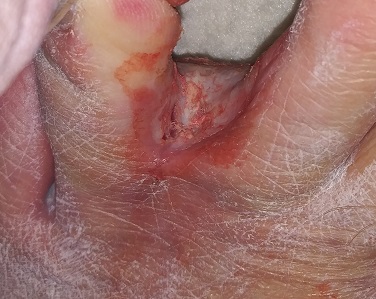
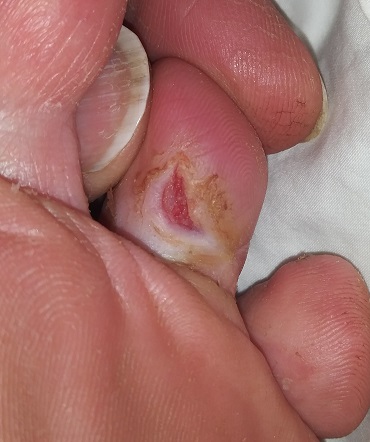
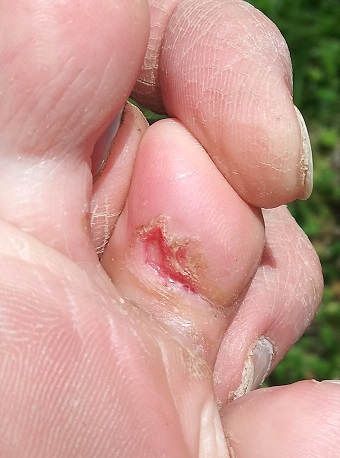
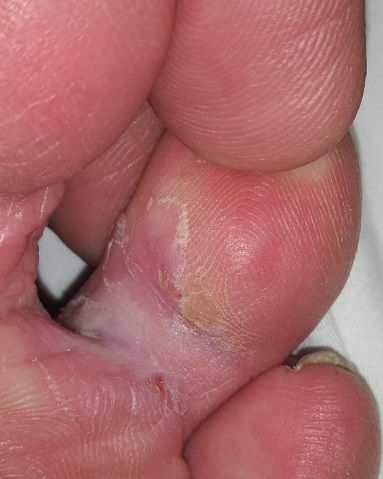
Multiple types of eye drops were tested to reduce redness in the eyes with very little reduction in redness. BUT one eye drop did almost completely reduce the redness in a few minutes. Lumify eye drops which contain Brimonidine Tartrate eliminated redness in the eyes in a few minutes, lasted for several hours, and was far superior to anything else tested.
According to the Demodex Insecticide Hypothesis if this medication is very effective at reducing Redness and Itching in the eye it must contain at least one ingredient that obviously kills Demodex Mites. According to the Demodex Disease Hypothesis Demodex Mites must be causing the redness and itching because Demodex is the cause of most or all Disease.
The ingredient that obviously kills mites will normally be the most active ingredient. The most active ingredient in Lumify is Brimonidine tartrate (0.025%). A search stating “is Brimonidine Tartrate an insecticide” first yields the article “Adrenoceptor agonist poisoning after accidental oral ingestion of brimonidine eye drops” which states: “Conclusions: This case illustrates the ability of brimonidine to gain rapid access to the central nervous system.
This first passage is followed by a redistribution phase with rising plasma concentrations. Children who accidentally ingest brimonidine orally should be admitted to a pediatric intensive care unit.” So it is a type of poison and the hypothesis states “insecticide/poison” because in many cases what is poison to insects is poison to humans and the reverse.
A search stating “is Brimonidine tartrate poison” down a few items yields the article “Brimonidine tartrate” by go.DrugBank.com. It states “Ophthalmically, brimonidine is used to lower intraocular pressure by reducing aqueous humor production and increasing uveoscleral outflow. .. The topical form of brimonidine was approved by the FDA in August 2013 for the symptomatic treatment of persistent facial erythema of rosacea in adults.
It is marketed under the brand name Mirvaso.13 Brimonidine is the first topical treatment approved for facial erythema of rosacea.8”. This article states Brimonidine tartrate was previously used to treat rosacea. Now we know it is a poison that can harm humans and was previously used to treat rosacea. There is no indication “Brimonidine tartrate” treated Rosacea by killing Demodex Mites. Ivermectin the medication that replaced Brimonidine tartrate is one of the strongest medications prescribed to specifically kill parasites in humans. It is specifically prescribed to kill Demodex Mites anywhere on and inside the human body. Now we know Brimonidine tartrate is poison, it was previously used to treat Rosacea. The medication that replaced it is the prescription medication Soolantra that contains the insecticide Ivermectin specifically to kill Demodex Mites on the face.
“Demodex blepharitis is a chronic inflammatory disease caused by demodex infestation, affecting the lid margin and ocular surface, which can lead to serious eye problems (1). The typical symptoms include eye itching, burning, dryness, irritation, watering, blurry vision, or the sensation of heavy eyelids.”
(Association Between Demodex Infestation and Ocular Surface Microbiota in Patients With Demodex Blepharitis) “Symptoms Red eye – Causes: Allergies, Blepharitis (which is eyelid inflammation), Chalazion or stye, which comes from inflammation in the glands of your eyelid, Complication from a recent eye surgery, Contact lens complication, Corneal abrasion (scratch): First aid, Corneal herpetic infection or herpes, Corneal ulcer, Dry eyes (caused by decreased production of tears)”
(Symptoms Red eye By Mayo Clinic Staff) Demodex Mites are known to be the cause of Blepharitis in some cases and Blepharitis is listed as the second cause of Redness in the eyes by Mayo Clinic. Note: A possible relationship between allergies which is the first cause and Demodex listed is discussed under the Allergies heading.
Questions
(1) Is it possible that the reason Brimonidine tartrate in Lumify eyedrops is so effective at reducing redness in the eye is that it is a poison and that Demodex Mites are causing the redness in the human eye and it is harming them?
(2) Since it is a well know fact that Demodex Mites are causing many types of problems all around the outside of the eyes is it possible that if redness in the eye ball is caused by Demodex Mites that they are living on and under the surface of the eyeball and even around and behind the eyeball and that Demodex Mites could be causing all external and internal eye disease (Redness, Itching, Macular Degeneration, TED, Cataracts).
(3) If many serious eye diseases are caused by Demodex Mites and many doctors believe Ivermectin taken internally in one or two doses kills almost all Demodex Mites inside the body then why aren’t the doctors giving patients Ivermectin to kill them especially considering as many as 95% stay below the surface at all times?
Note: It is unclear even if Brimonidine tartrate is killing or inhibiting the movement of Demodex Mites if this would reduce the redness within a few minutes. It may be possible this medication could “lower intraocular pressure” and harm Demodex but there is an obvious possible connection between Demodex Mites and Brimonidine tartrate through Rosacea. Testing Brimonidine tartrate directly on Demodex Mites might help to prove or disprove this.
When Brimonidine tartrate wears off I would feel some itching which some other reviews reported also. Any time I have taken any strong internal treatment for Demodex Mites it increases itching all over my body from my toes to the top of head and always in my eyes. It was the reactions of serious itching in the eyes and eyebrows from Soolantra (ivermectin) that caused.
(Demodex infestation of oral mucosal sebaceous glands) “Abstract: An unusual case of oral infestation with the hair mite Demodex is presented. The parasites were observed in enlarged ectopic sebaceous glands following biopsy. From a review of the literature, it would appear that oral involvement has not been reported previously.” This doctor and some others have found Demodex Mites living inside the mouth.
When I went to the dentist recently I was given a toothpaste with a prescription dosage of 1.1% Sodium Fluoride. When returned home I searched “is Floride an insecticide” and this article came up: (Fluorine-Containing Insecticides) “Abstract: Fluorine has played a significant role in insect control since about 1896 when sodium fluoride and various iron fluorides were patented in England as insecticides.
Sodium fluoride was used in the United States for cockroach control before 1900 and was introduced in 1915 for the control of poultry lice. However, the use of fluorine insecticides did not become general until the 1930’s when the disadvantages of arsenical residues on food crops became apparent and the inorganic fluorine compounds were introduced as safer substitutes.”
When I searched I found that Sodium Floride was originally invented as a strong insecticide and is so strong it is banned in Europe. (EUROPEAN COUNTRIES BANNING THE USE OF FLUORIDE) Floride is said to reduce the negative effect of acid on teeth. “Fluoride prevents tooth decay by making the enamel more resistant to the action of acids. They accelerate the buildup of healthy minerals in the enamel, further slowing the occurrence of decay. Studies even show that in some cases, fluoride can stop already started teeth decay. (IMPACT OF FLUORIDE ON DENTAL HEALTH QUALITY)
Any time in my life when I would eat lifesavers candy after eating 3 in an hour or less I would start having stomach pain while eating the third one and getting mouth ulcers within a few hours. During the testing of strong insecticides I would start getting constipated and/or have stomach pain. I found even the amount of citric acid contained in candy when dissolved slowly in the mouth would relieve it. But I also begin taking lifesaver and lemonhead candy as a treatment because even this small amount would calm some of reactions caused by the strong insecticides. At one point I was taking 10 or more per day and it seemed as if a small amount of citric acid delivered in small continuous 1 per hour doses might be enough to kill Demodex completely but it was not. However I became no longer sensitive to a few lifesavers because I had been taking strong insecticides with it and it appeared I had killed enough Demodex Mites not to be sensitive to citric acid in my mouth.
Boron was the second strongest poison type insecticide I tested next to Castor Oil. I was taking a dose so strong it started causing boils in my mount and when I took a lifesaver I could hold it directly against the ulcer as it dissolved and that would reduce the mouth ulcer. I been able to develop such a strong a resistance to citric acid at one point tested 10 grams of Citric Acid in a single dose and 5 grams of Citric Acid every 6 hours 4 times.
By that time I had reached the conclusion that every disease symptom had been and presently was being caused by Demodex Mites and that would mean they would have to be living inside my mouth and inside my body rather than just on the surface of below my skin. I searched and found the article above that indicated one doctor stated he has found them living inside the mouth.
I have also found an article that Chinese scientist conducted a study of people that had eaten grain that was proven to contain various types mites. They were able to pass through the stomach and live in the intestines below the stomach and were causing various disease symptoms. (Diarrhea and acaroid mites: A clinical study) this article states “In this study, Acarus siro, TyroPhagus putrescentiae, Dermatophagoides farinae, D. pteronyssinus, Glycyphagus domesticus, G.ornatus, Carpoglyphus lactis and Tarsonemus granaries were separated from stool of patients with diarrhea.
This confirmed that acaroid mites were able to parasitize in human intestines, which might play an important role in diarrhea. Like other intestinal parasites, the mites living in intestinal tract may stimulate mechanically and damage intestinal tissues with its gnathosoma, chelicera and feet[17–25]. Certainly they may also intrude into mucous and deep tissues, and cause inflammation and necrosis.”
I eventually developed cavities from taking 5 to 15 lifesavers per day for several years although I have never developed pain from the cavities. But when they gave me a prescription strength version of fluoride tooth paste I check to see if it was an insecticide and I found the article above which says that it is. But fluoride tooth paste is not used for month ulcers it is used to reduce cavities.
The fact that I no longer develop mouth ulcers from any amount of citric acid I take and that the doctor found Demodex when looking the cause of a mouth ulcers led me to believe Demodex could be the cause of any disease inside the mouth. Fact that a strong roach insecticide is used to reduce cavities indicates the possibility that Demodex may be boring into teeth randomly or to consume calcium and causing cavities.
The fact that I used citric acid candy directly against a mouth ulcer to reduce it and even used citric acid candy to reduce mouth ulcers caused by the strong insecticide Boron leads me to conclude Demodex is causing tooth decay and mouth ulcers and may be causing all mouth disease.
Question – Has anyone investigated or can someone prove if Demodex Mites are living regularly in the mouth. Are they present on any cancerous sores? Can they tell me why citric acid can cause serious mouth ulcers and yet after taking strong treatments that included strong insecticides I can consume almost an unlimited number of lifesavers and citric acid without getting mouth ulcers or stomach pain?
Questions About This Site and What Happened
I had no idea of the existence Demodex Mites until I was prescribed a medication called Soolantra which contains the insecticide Ivermectin to kill them to treat Rosacea on my face. I had a reaction to Soolantra causing severe itching in my eyes and eyebrows. They are normally considered irrelevant and possibility even helpful to humans by most of present medical science.
After investigating the cause of the reaction I discovered Demodex and research indicated they could be treated externally with Tea Tree Oil. This led me to realize they were causing almost all itching all over my body. After months of using various external treatments with some success in reducing all my itching I realized since 95% of Demodex mites remain below the surface of the skin at all times. External treatment would never be very effective.
I tried using Ivermectin internally which is the primary internal prescription medication to treat Demodex Mites but I found it to only be partially effective and it caused serious reactions. (Ivermectin Side Effects) I decided to start testing internal supplements to kill all Demodex Mites on and under the skin and I found no indication that anyone has ever tested various supplements to kill Demodex Mites inside the body.
I spent over 3 years investigating supplements that contain Insecticides, Sulfur, Acid, and Physical Obstructions that are likely to harm Demodex Mites. The results of the testing and several years of research yielded information I do not see available on any other site on the internet so I built this site to share the results. I spent over 3 years testing supplements separately and together to determine the most effective treatment to reduce Demodex Mites. I found combinations that reduced almost all my itching but much to my surprise the strongest treatments also reduced all the symptoms of my incurable Psoriatic Arthritis.
Symptoms Reduce Included: all itching, Rosacea, Folliculitis, infections (toe and fingernails), itching and redness in the eyes, neck pain (Degenerative Disk Disease), muscle soreness, muscle cramps, and numbness (Paresthesia), fatigue, pressure sore on back, swelling everywhere on my body, etc. I have been treated by Dermatologist all my life and I knew I had Psoriasis and Rosacea. I had never been told and never knew that what I had was Psoriatic Arthritis. I took supplements to kill Demodex Mites and all the symptoms all over my body started reacting and then curing at the same time.
No. I am a retired Supplier Quality Engineer B.S., M.S.M.E, P.E. from big 3 automotive specializing in Statistical Process Control and Problem Resolution Techniques. My job involved supporting 40 suppliers located in various countries. If any supplier produced 1 bad part that got to our plant and they did not have an immediate solution that assured it would be impossible for that specific problem to happen again I would have to fly to their plant.
I would form a team to develop a plan of action and solve the problem. In addition to my education and problem resolution experience I also have 40 years of medical history experience dealing with the symptoms of Psoriatic Arthritis. This helped me make decisions about the treatment and to understand most of what happened in the past and why.
The results of this study are not intended as a diagnosis of any other person’s medical condition or as a recommendation of treatment for the cure. I have no way to even know for certain the problem that I have been treating is Demodex. But I believe the evidence I am sharing is compelling. My hope is that medical science will evaluate and investigate this information. If it is true they will research to establish techniques, procedures, and guidelines for the implementation of treatment of Demodex Mites through current medical professionals.
I visited 1 Doctor, 3 Nurse Practitioners, and 3 Dermatologists before and during this study. Prescription Medications used included 0.1% Triamcinolone Acetonide, Nystatin, Fluocinonide, Metronidazole, Soolantra, Mupirocin, Cephalexin 500MG, Doxycycline Hyclate 100MG, Ivermectin, and 5% Permethrin. Some I have used for years and others added more recently during the last 2+ years of this study.
Webmd.com states in the article What Are Demodex Mites? “They’re very common. Scientists estimate that from 23%-100% of healthy adults have them.”
en.wikipedia.org/wiki/Demodex states “A 2014 study of 29 people in North Carolina, USA, found that all of the adults (19) carried mites, and that 70% of those under 18 years of age carried mites.[10] This study (using a DNA-detection method, more sensitive than traditional sampling and observation by microscope), along with several studies of cadavers, suggests that previous work might have underestimated the mites’ prevalence.”
The article Human Demodex Mite: The Versatile Mite of Dermatological Importance states : “The resulting number of mites measured varies greatly depending on the method used.[11] With modern, and more sensitive, assays, the prevalence of Demodex in skin samples approaches 100%”.
Demodex Brevis: What You Should Know “D. brevis can distribute all over the body”
As a multitude of diseases continue to destroy humans a microscopic parasitic mite called Demodex continues to occupy the entire body on the surface of the skin and beneath on most or all humans.
History
I am in my late 60’s and have had psoriasis since my mid 20’s with scales on my elbows and knees and constant itching. I doubt there was one minute I had not itched for many years it was hard to fall asleep. In the last few years I have developed a sore on my lower back similar to a bed sore. I used Triamcinolone Acetonide and Fluocinonide but it would never go away.
I also had started getting more and more little reds bumps (Folliculitis) all over my body. During my regular annual checkup I asked my general medical doctor about the bump on my back and the small red bumps. They had no recommendation and referred me to a dermatologist.
First Dermatologist
First Visit: I explained to the Dermatologist that in the last few years a bump had developed on my back that would not go away. It itched and was sore and I had tried using Triamcinolone Acetonide and Fluocinonide. It would get a little better if I used the medication several times every day but it would never go away. It would increase if I did not adamantly use the medication. Secondly I mentioned that I was getting a few new small red bumps at random locations all over my body almost every day.
I told him I would often feel what seemed like a small sting during the night lying in bed. When I told him I felt a sting during the night he moved his head back and his eyes got wider. It was like I had told them I had seen a UFO on the way to the appointment. When I would check the location of the sting I would find a small red bump with a little bubble on top filled with fluid. The bump would itch intensely until it was popped and released the fluid.
I explained why it seemed to me like it might be an infection that would not cure. It would decrease in frequency the few times I had used an antibiotic for a sore throat and pink eye. It seemed to indicate the antibiotic might be trying to cure it but was not strong enough. I explained the little red bumps were especially bad around the wrist and arm below the wrist. It would increase when I washed my hands a lot. I told him that area was often a problem. I would spray this area of my arm with vinegar when I got out of the shower and it seemed to help.
The dermatologist said the bump on my back and the little red bumps were Psoriasis. That surprised me because I had Psoriasis all my life almost 40 years but had never gotten small red bumps like that. So I questioned about the clear liquid in the bumps and the decrease in severity when taking antibiotics. He said because the liquid was clear instead of cloudy in the bumps that proved it was not an infection. He said I am not just a Dermatologist I am a Psoriasis Dermatologist Specialist. He also said I should not use vinegar on my skin it would eventually just make it worse.
Third he mentioned he noticed I had Rosacea which I had been diagnosed with before. He said that he had a new medicine he could prescribe for me called Soolantra. He gave me a special number I could call to get a discount for the Soolantra because it was about $500 per tube. When I went to pick up the other medication he had prescribed for my body I found it was Triamcinolone Acetonide 80mg. I already had Triamcinolone Acetonide at home and I also had Fluocinonide which is stronger.
Second Visit: My second visit was about 6 weeks later he ask how the Soolantra was doing and I told him it was working pretty well. I told him the Triamcinolone would not help the bump on my back and I had used Fluocinonide also. I also said neither one would help the little red bumps at random locations all over my body. After they have formed they will itch intensely until they drain. If I tried to apply Triamcinolone to prevent it I would have to apply it to my entire body.
He said my conditions were not bad enough to use one of the new treatments that reduce your immune system. He also said that UV light would not help much in this case either since it was all over my body. So after 2 visits to the Psoriasis Specialist Dermatologist I still had no effective treatment for the bump that would not go away or the little red bumps. As I was leaving I mentioned that the vinegar seemed like it did help some to prevent it. I hoped that might help to reveal some other medication that could help for the same reason. He replied “well you can just go ahead and use that then if you think it helps.”
Discovery of Demodex
About 2 months after the visit I was working outside and it was hot and my eyes were itching so bad I could not work. I had also noticed my eyelids and eyebrows were very red. I had noticed I had been getting a lot of dandruff in my eyebrows which I had never had before. I looked it up and several possible causes were mentioned including Demodex Mites which I had never heard of before. I looked up Soolantra also and found it contains the insecticide Ivermectin for the purpose of killing Demodex Mites to treat Rosacea.
The doctor never told me what was in Soolantra or that it was being prescribed to kill Demodex Mites. I had assumed it was a new type of corticosteroid similar to Triamcinolone. The article said Tee Tree Oil (TTO) was the best treatment for Demodex Mites so I decided to try treating my eyebrows with it. I was hesitant to go back to the doctor with the reaction considering how he looked when I mentioned I had felt the stinging. Information I read indicated doctors consider Demodex Mites harmless except in cases of severe immune problems like with HIV. It seemed easy enough to try some Tea Tree oil in my eyebrows.
As I treated my eyebrows they improved. I continued to treat with TTO the adjacent areas of my ears and neck were affected. I began to realize Demodex was causing the itching all over my body. TTO was difficult to use around my eyes and begin to cause irritation. I continued to treat some areas that would not cure completely. I spent close to 1 year trying approximately 80 other treatments like Sage Oil. Sage Oil at 100% is much milder than TTO at 50% and both kill Demodex in about 7 minutes.
After about 1 year I had almost completely eliminated the little read bumps and reduced most itching on by body using various treatments. But there were certain locations like the sore on my back and sitting and lying pressure points that would not cure. Some articles indicated the bacteria Bacillus Oleronius inside Demodex Mites may also be causing an infection. So I decided to visit a Nurse Practitioner to request an antibiotic. I wanted to see if that would help clear the remaining irritated areas that external mite treatments would not resolve.
Visiting 3 Nurse Practitioners (NP)
First NP: I decided not to mention Demodex to the first NP. Everything I was reading indicated they would likely dismiss that possibility. Then I might not get the antibiotic so I just described the problem as a possible bacterial infection. I was prescribed Cephalexin 500MG which had very marginal results. I studied more about the problem and information indicated the bacteria inside Demodex is called (Bacillus Oleronius). This bacteria is a gram-negative and the antibiotic Cephalexin is normally used for gram-positive bacteria. After several days with very little improvement by the Cephalexin I return to see a second Nurse Practitioner. I requested Doxycycline that is effective against gram-negative and gram-positive bacteria.
Second NP:
I believe the second NP was retired and working part time so it seemed she had quite a bit of experience. I still did not intend to mention Demodex but she started asking some more detail questions than the first NP. I explained the situation in more detail and about how I suspected demodex was the problem. She did not recall ever hearing the name Demodex. She prescribed Doxycycline for 10 days as I requested and she also prescribed Mupirocin. I understood Mupirocin was a relatively new very strong external antibiotic gel. She also suggested I could transfer my primary care to a NP at that location. This 2nd NP could not accept patients since she was part time.
She was very understanding and after I left she called me at home and said she had looked up Demodex Mites in a medical book. She told me it said she could prescribe 5% permethrin externally. I told her I had already tried that with very little positive results. I mentioned that I would like to try Ivermectin again and she said I would need to get another liver test before it could be prescribed.
Third NP:
Doxycycline did not seem to be very effective after about 7 days. I was not certain if I needed to take it longer. So when the prescription was a few days from ending I made an appointment with the 3rd NP I was assigned to for a refill. The Mupirocin was working pretty well but it was obvious it was not resolving the remaining boils. When I visited the third NP a explained what had happened with the first NP’s and I mentioned Demodex Mites. She did not recall ever hearing that name. She agreed to give me an additional 3 weeks on my prescription and said she would like to refer me to Dermatologist and I agreed.
The Infection
About 1 week later after I had been taking Doxycycline Hyclate 100MG for about 3 weeks I developed the worse infection of my life in my toe. For a short time I was trying to decide if I would have to go to the hospital. I applied Mupirocin to it although I could barely touch it but could not notice any improvement after an hour or so. I finally realized it was likely the fact that I had been applying various strong treatments externally on my upper body without treating my feet. My feet had seemed ok and I didn’t want to take on any more than I had to at one time. I believed the infection was caused by Demodex and if I went to the hospital and they could not figure out how to reduce it they could end up wanting to remove the toe. I doubted they would believe me if I told them it could be caused by Demodex.
So I decided to do something likely no one in the world would normally do. I put 1% over the counter Permethrin cream on my toe. I could feel a reduction in pain and pressure over the next 15 minutes and at that point I realized Demodex could be causing all infections. After the infection decreased and I started treating my feet I realized between my toes was one of the worse concentrations of Demodex Mites on my body. I realized that the reoccurring athlete’s foot and infections around the toenail were likely caused by Demodex.
This became apparent even more when I started taking internal treatments. I could feel irritation increase each time I took something internally that would harm Demodex. It would decrease when the treatment wore off. The infection reduced using internal treatment as shown in the pictures. I would not recommend anyone put insecticide on any infection. I hope medical science can investigate the possible relationship between Demodex and infection. But now if I had a bad infection and a doctor was getting ready to cut off one of my body parts I would have to try something that would kill Demodex first.
Second and Third Dermatologist
When I called to make the appointment I asked about the experience of the available Dermatologists. I specifically chose a professor of Dermatology which also included an intern in training. I still had the toe infection which was much better. I had some boils at locations where I had applied external treatments but had not completely healed.
The intern came in first by herself and I explained that I had been given Soolantra. I said I had a reaction that led me to try Tea Tree Oil and some other external treatments for Demodex Mites. I explained that the external treatments had reduced the reactions to Soolantra and my Rosacea. Most itching on my body was reduced but a few places where I had reactions remained. I was taking Doxycycline to try to heal the remainder of the places that had not healed completely. I explained I developed an infection in my toe while taking Doxycycline. She didn’t say much and after leaving for a short time she returned with the Professor of Dermatology.
When the professor and the intern came back in I explained a little bit to the professor but she already knew what I told the intern. I showed her the prescriptions I had been given by the first Dermatologist including the Soolantra. One of the main points I made was that I had been taking Doxycycline for 3 weeks at the time the toe infection started and still was. I suggested the cause might be related to Demodex Mites considering I was using treatments for Demodex Mites when it started.
She said “Demodex Mites are a natural part of our flora and fauna and they may even be helpful” and “we are going to treat each of the problems at different locations separately”. Then she asked to see my foot and she and commented the location of the infection was very damp. She said the reason why I could have developed the infection while taking Doxycycline is that the bacteria could be gram-negative or gram-positive. She said the antibiotic might not be correct for that bacteria and that they would have a lab test done to see which type of bacteria it might be.
She said they would wait to do a fungus test until the next time I came if it had not healed by then. She said she would not renew the prescription for Doxycycline because she did not think it would help. She was taking me off the antibiotic while I still had a serious toe infection so I started to ask some questions. She said “Are you going to do what we say” indicating to me if I continued to ask questions they would have me leave. I sensed things seemed tense after that and I realized they had already made up their mind about the situation before she came in.
She then ask to see the sore locations and as I started to show them a few locations foot, back, neck she became somewhat impatient and she said where are they? And as I was showing her she said where, where, where? There were not a lot of bumps and they were not very big but you could obviously see them. After looking at a few places she said it was likely that these bumps had been caused because of my anxiety about Covid.
I mentioned that the one bump on my back had been there for a few years. I knew none of the remaining boils could have developed because of anxiety because they started when I took started internal medications to kill Demodex. The boil that had been there for a couple of years looked similar to the other bumps that had developed as a reaction to treatment. When she looked at it she made the comment “that may be” with not further explanation.
I did not necessarily expect a good visit after I had read some of the responses other people had written about doctors and Demodex. But this was the worse doctor’s visit I have ever had. It was obvious they wanted to complete the visit as soon as possible. She had told me Demodex Mites cannot cause a problem on the body except in extreme cases. Even though I had shown her I was prescribed Soolantra and they were not going to discuss it. They prescribed Ketoconazole fungal medication for my toe although she said she did not think it was fungal and I already had Nystatin. She and did not prescribe any medication for the body.
After a week or so I received a call from the intern which surprised me since I have not generally received follow up calls from doctors but it may have been because she was an intern. She told me the bacteria test came back negative for any bacteria. As she was looking at it she said I see we did not order a fungal test and seemed a little surprised. I remembered the professor decided not to order a fungal test. I got the impression from the intern she thought they should have. I wondered how she would have responded if a fungal test came back negative also.
She knew I said this infection started while I was in my third week of taking Doxycycline which might would have been prescribed to heal that toe infection. Two of the first supplements I tried together were Sage (Officinalis)(Thujone) and Chrysanthemums (Pyrethrum) Tea. When I took them itching in my eyes increased, irritation occurred at all the sore locations. Some new locations appeared like the back of my neck. I could feel the irritation in my toe and then it would decrease when the medication wore off and it finally began to heal with internal treatment.